Why Does a Clogged Water Line Lower Pressure in West Virginia?
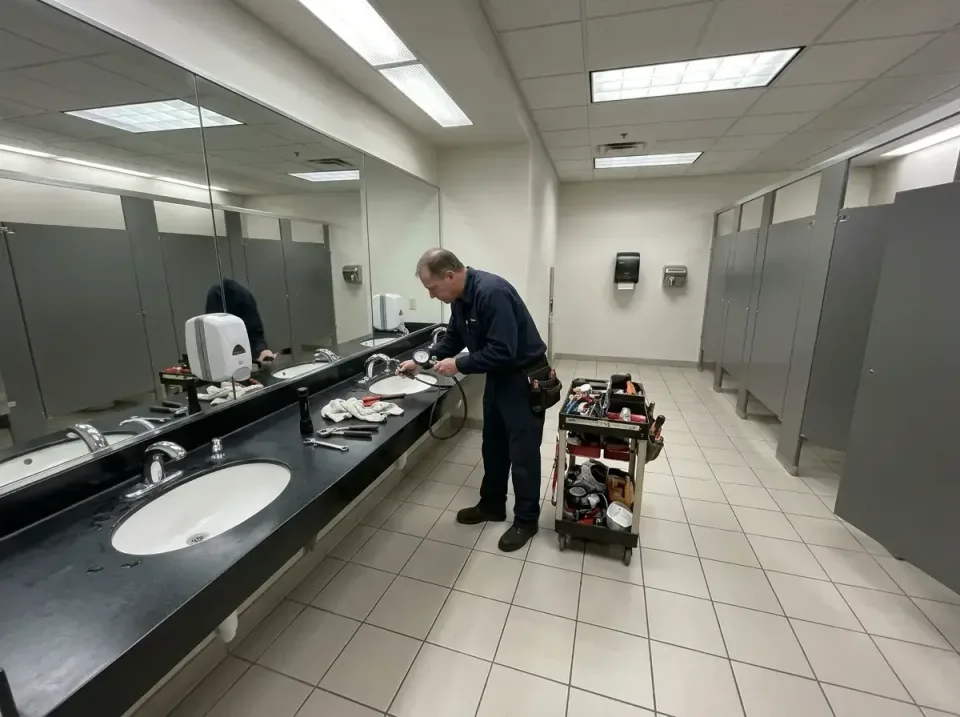
When the kitchen faucet barely fills a pot, or upstairs taps fade while the washer runs, a restricted water line may be limiting flow. A plumber can trace the restriction by comparing pressure and flow at several points in the system. One weak fixture points toward a local blockage; several weak fixtures call for checks closer to the supply. We begin with readings, not guesses.
A home near the West Virginia State Capitol may have a different pipe layout and repair access than a property near West Virginia University, so the inspection needs to follow the actual plumbing. West Virginia’s four distinct seasons also matter: changing conditions make exposed or aging lines worth checking during a pressure diagnosis. Tell the plumber which fixtures are affected, when the pressure changes, and whether the problem is hot, cold, or both.
What does a pressure drop at several fixtures suggest?
If the kitchen, bath, and laundry fixtures all weaken, the restriction may be on a shared supply line rather than inside one faucet. We compare readings and flow at different points to narrow down where water stops moving freely. A plumber can measure pressure with fixtures closed, then observe what happens while water runs; the difference helps show whether a line is struggling under demand. A pressure gauge alone does not prove a clog, so we also note which fixtures change together and whether the problem is constant or intermittent.
That distinction saves guesswork. The guide to pressure drops during laundry can help you record when symptoms appear before an appointment.
Can a plumber tell a clog from a failing fixture?
Yes. If only one faucet is weak, debris in its aerator or a fixture restriction is a sensible first check; if several fixtures share the same pattern, we trace the upstream piping.
A clogged line can reduce flow even when water pressure seems acceptable with every tap closed. We compare how the system behaves under use and inspect accessible sections for corrosion, sediment, or a damaged valve.
A line near the Bl ennerhassett Island Historical State Park area may require a different access plan than a straightforward indoor inspection; the landmark is a useful reminder that service settings vary across the state. Blackwater Falls State Park is another regional reference, where seasonal conditions can affect planning for exposed equipment and access. These details change how we approach the visit, not the test itself.
Could an ice storm or flooding affect the diagnosis?
Yes, but a weather event does not automatically mean a water line is clogged. Ice storms can interrupt power and water service, so on a private well, first note whether the pump has power and whether other electrical equipment is affected. A temporary outage can look like a plumbing failure until service returns.
Flash flooding can affect low-lying properties, making it important to report recent water intrusion or changes around the service line. Seasonal temperature changes can also alter water demand; a pressure complaint that appears only during peak use may need testing while several fixtures are running.
Around Green Bank Observatory, local terrain and service conditions can make access planning part of the diagnostic visit. We keep the cause open until measurements point to a restriction, supply issue, or equipment fault.
When should you stop DIY checks and call a plumber?
You can clean a faucet aerator and note which fixtures lose flow, but stop before opening a pressurized line or excavating a service pipe. Call a plumber if multiple fixtures remain weak, pressure changes sharply under use, or you find a leak or corrosion. A pipe inspection camera may help where the line and access point allow, but a camera is not a substitute for pressure and flow checks.
We explain the evidence and proposed scope before work begins. Our clogged water line repair service is the next step when testing supports a line restriction. West Virginia Plumbing Pros has served the state for more than 10 years, and we use a test-first process to distinguish a blockage from a valve or supply problem.
How Pressure Tests Separate a Clog From Other Problems
The right check depends on whether low flow affects one fixture, several branches, or the whole supply. A useful comparison starts with the pressure reading and where it was taken. Autumn temperature swings also make freeze prevention worth considering when pipes or equipment are exposed, rather than assuming every change is a clog.
Near Canaan Valley Resort State Park, customers should mention access or seasonal conditions that may affect inspection planning. Haddad Riverfront Park is a local reference point, not a diagnostic boundary; the plumber still tests the system at the property.
| Option | Best for | Key detail |
|---|---|---|
| Single-fixture check | One weak faucet or shower | Compare flow at nearby fixtures |
| Whole-supply pressure test | Several weak fixtures | Record static and flowing readings |
| Regulator inspection | City-water pressure control | Check the regulator and accessible piping |
| Well-system check | Well-fed home with uneven flow | Review switch operation and tank behavior |
| Line inspection | Suspected pipe restriction | Camera use depends on access and pipe layout |
Heavy rain can raise sediment in private wells, so report recent storms if a well-fed home’s flow changes.
How Should You Prepare for a Clogged-Line Inspection?
A little preparation helps us compare symptoms with test results. Keep the plumbing and well equipment reachable. If summer thunderstorms have caused an outage near your home, tell the technician whether the well pump lost power and whether it has restarted. A visit near the Wheeling Suspension Bridge or Mothman Museum still begins with the same practical details: what changed, where it changed, and what equipment the plumber can safely reach.
-
Record the symptoms: Note which faucets, showers, or appliances lose flow and whether hot and cold water behave differently.
-
Locate the shutoff: Find the main shutoff before the appointment, but do not operate a valve that is stuck or leaking.
-
Clear the work area: Leave the pressure regulator, accessible pipework, or well tank area open for inspection.
-
Confirm pump access: For a private well, make the pump power area accessible and report any recent outage.
-
Plan for testing: Expect the technician to test pressure at a hose bib; water may be shut off during repairs.
Keep your fixture notes handy so the plumber can match each test to a real symptom.
Get a Clear Answer About Low Pressure
A weak faucet does not prove the water line is clogged, but low flow across multiple fixtures deserves a measured inspection. The useful next step is to identify where pressure or flow falls off and confirm the cause before repairs begin. Drought periods can reduce private well yield, so a well-fed home may need its supply considered alongside the plumbing. In the Fayetteville Historic District, older properties may have pipe layouts that call for careful access planning; nearby references such as Heritage Farm Museum and Village and Summersville Lake also reflect how varied service locations can be across West Virginia.
If pots fill slowly, upstairs taps fade, or laundry triggers a pressure drop, contact West Virginia Plumbing Pros about clogged water line repair. We will test the system, explain what the readings indicate, and confirm the repair scope before work starts.